Heritage kopitiam vibes
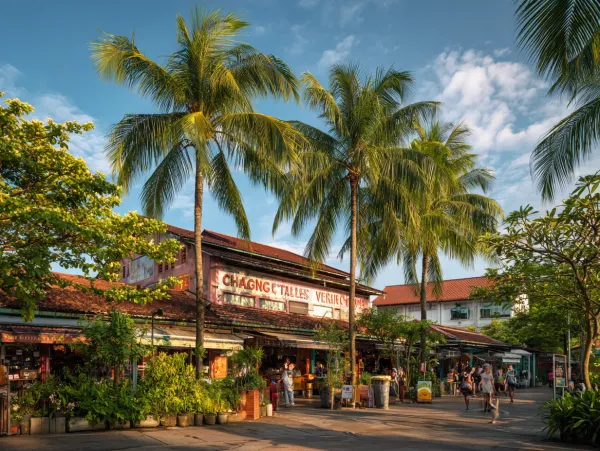
Tiong Bahru Hawker
A bustling neighbourhood hawker centre in Tiong Bahru known for classic Singapore street food and kopitiam-style breakfa...
A neighbourhood-led guide to where to find Singapore's best traditional kaya toast and kopi — from kopitiams to hawker-centre counters, with tips on what to order and when to go.
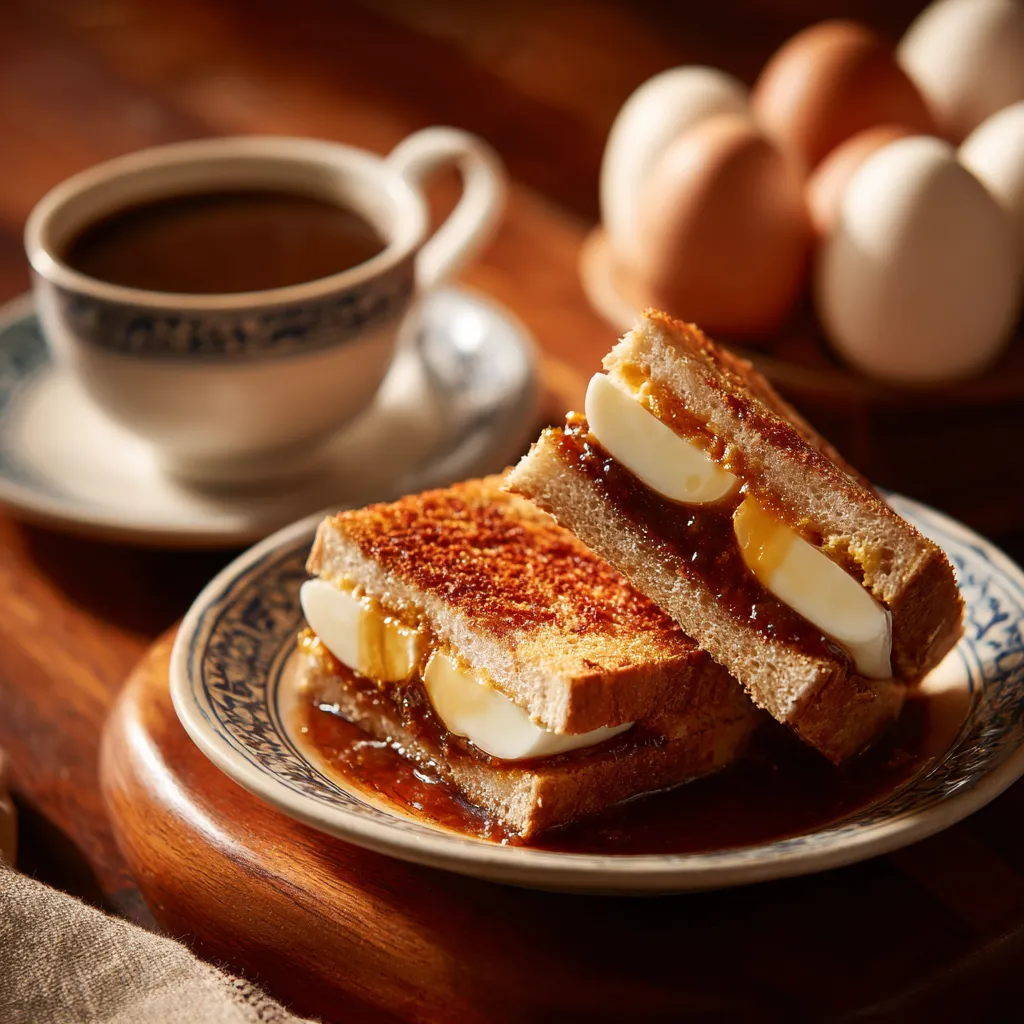
Kaya toast is simple, but the best stalls treat it like a craft: right toast, fragrant kaya, and a proper kopitiam brew.
The true test of a morning spot is the queue of locals — follow them and you’ll find the most honest kaya.
Kaya toast is more than a snack — it’s a ritual. The humble combination of crisp toasted bread, a smear of coconut-egg kaya and a thick pat of butter, served with kopi or teh and soft-boiled eggs, has anchored generations of Singapore morning routines from the CBD to the heartlands.
You’ll find variations across kopitiams, hawker centres and modern cafés: charcoal-grilled loaves at some stalls, pillowy thick-cut toast at bakeries, and elevated versions in boutique cafes. This section explains what to look for so you can tell the truly traditional from the trendy reinterpretations.

Every neighbourhood offers its own take. In Tiong Bahru you’ll find old-school kopitiams and heritage cafés side by side; Katong and East Coast have east-coast kopi spots that pair kaya with local breakfast eats; and Bugis/Orchard are convenient for a mall-to-kopitiam hop if you’re staying downtown.
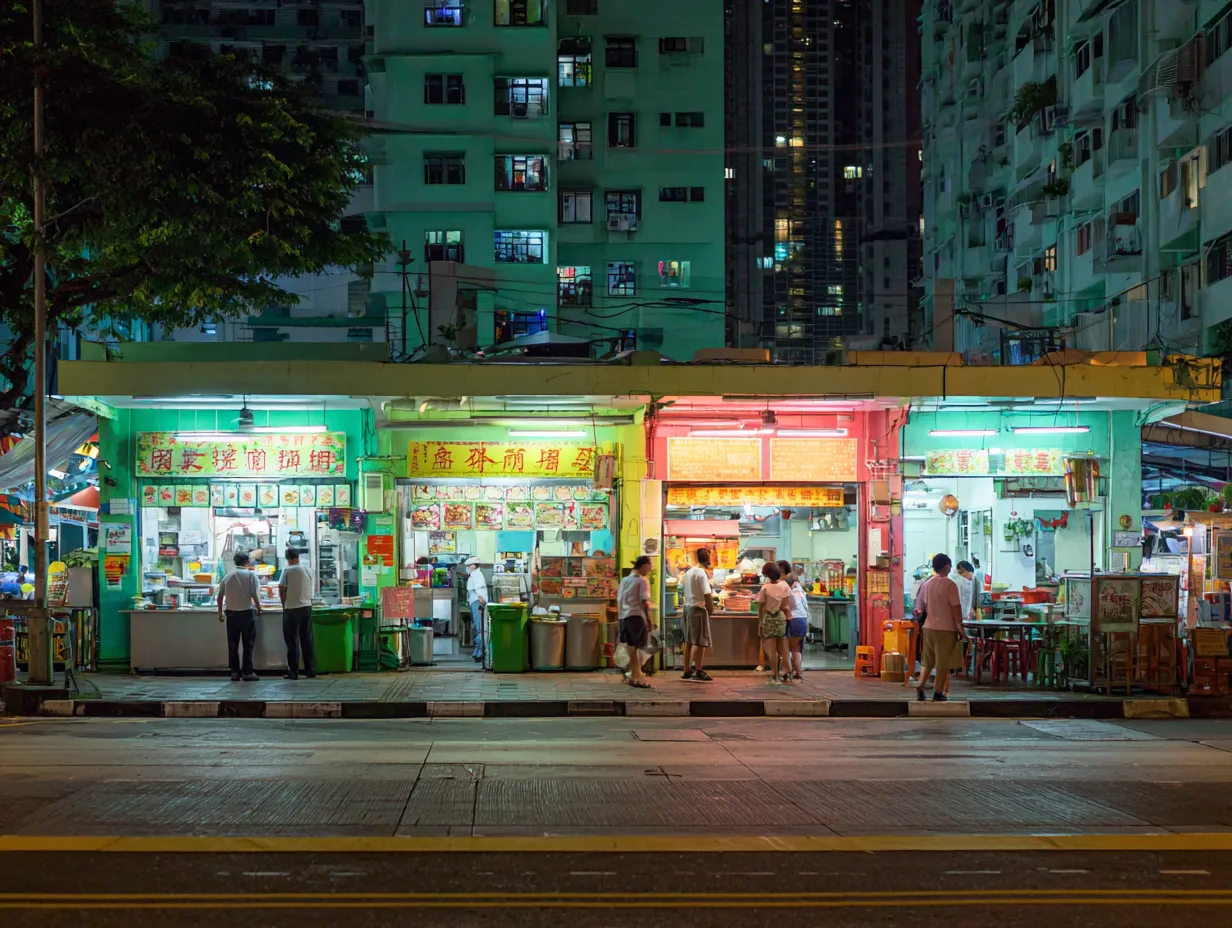
For an authentic start pick a hawker centre or kopitiam where the morning crowd is mostly locals — that’s the best sign of a good breakfast stall. Early mornings (7–9am) are peak: queues mean fresh toast and eggs cooked to order.
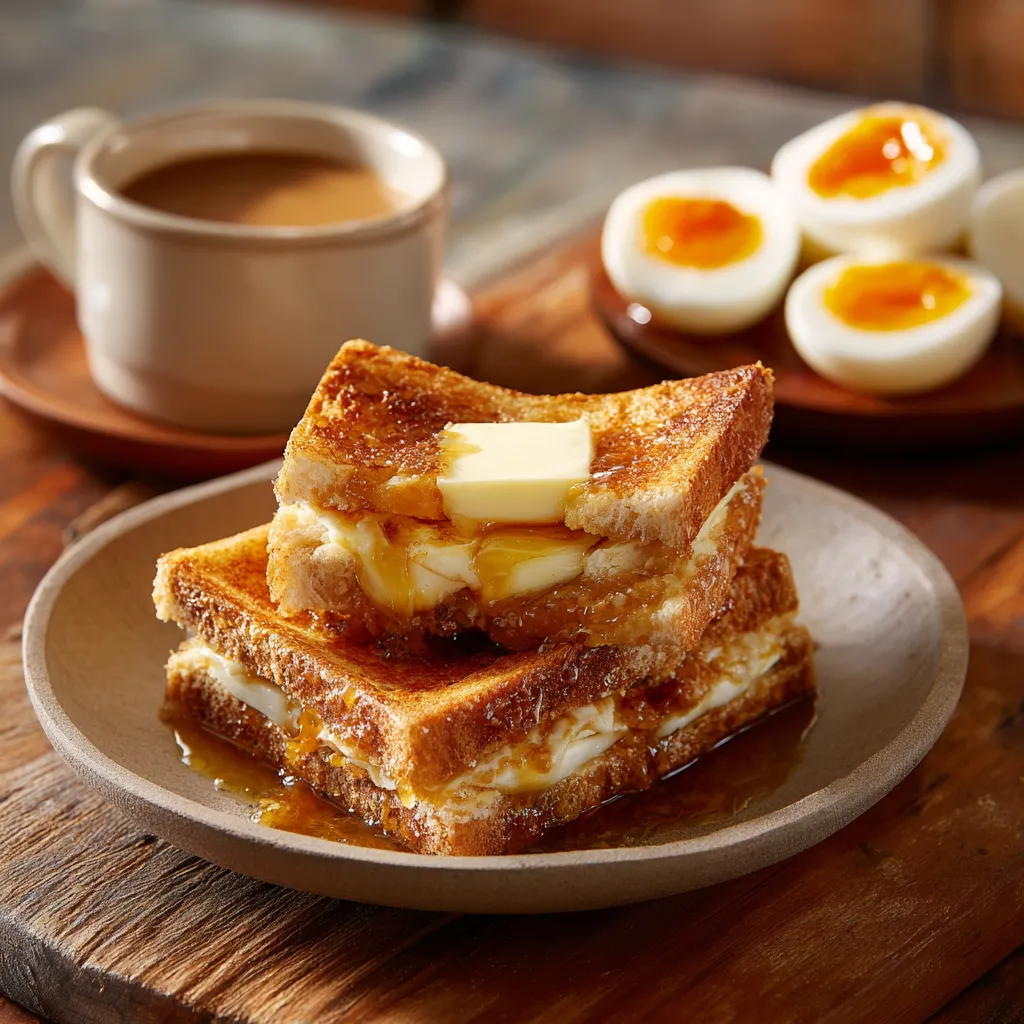
Menus can be deceptively simple. If you want the full experience, order the kaya toast set (toast, soft-boiled eggs, kopi) or ask for ‘set kopi’ to get the traditional condensed-milk coffee. Specify sugar/milk preferences: kopi-O (no milk), kopi-C (evaporated milk), or kopi (condensed milk).
Try different toast styles: thin crispy toast for the classic crunch, or thick-cut toast for a more bakery-style bite. Don’t skip the soft-boiled eggs — a sprinkle of dark soy and white pepper (or soy sauce and pepper) is the classic local way to season.
Breakfast is fast and efficient. If a kopitiam has a queue, join it and find a seat; most stalls don’t hold tables. Payment is usually cash or PayNow/QR at newer stalls, but many still accept only cash — bring small notes just in case.
Prices vary widely: a traditional set in a heartland kopitiam often starts modestly, while boutique cafés charge a premium for artisanal kaya. Expect to pay more in Orchard or tourist-heavy areas.
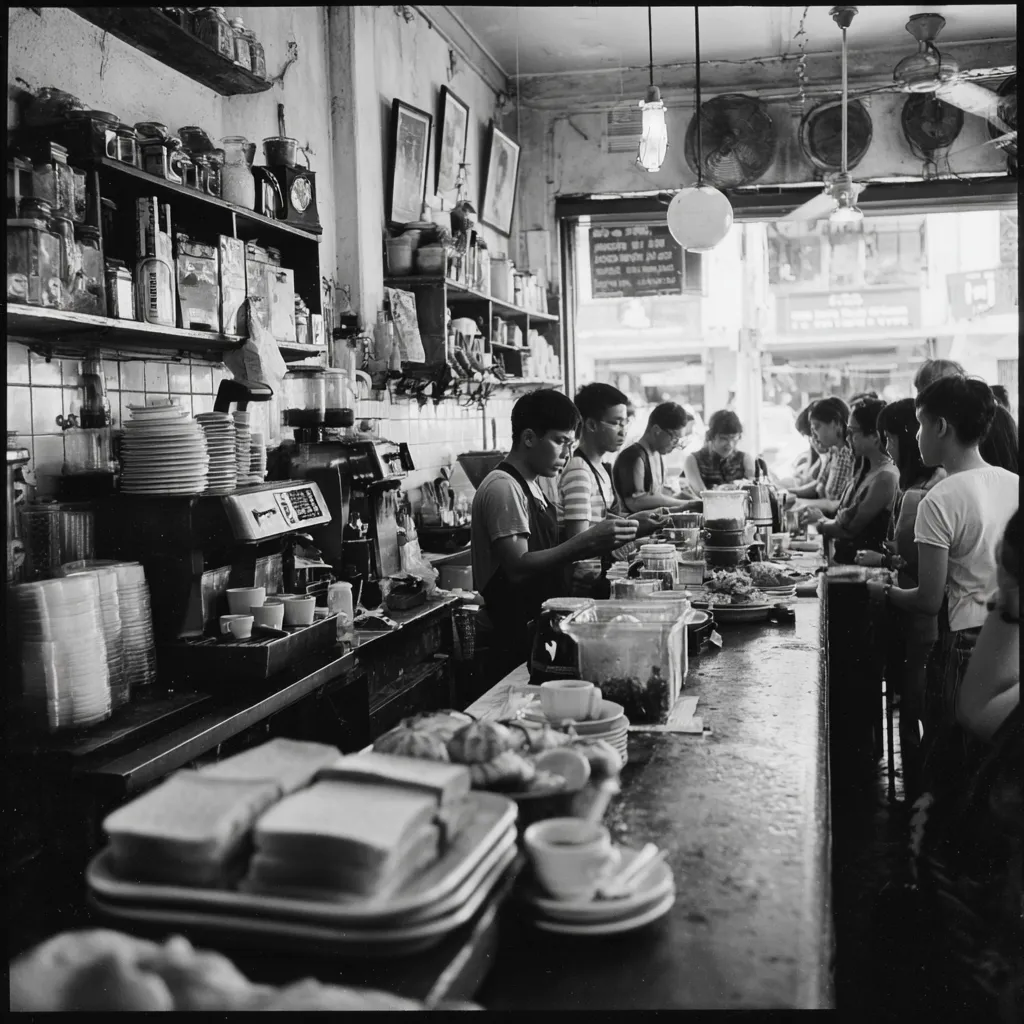
Plan a short walking trail: start at a kopitiam for kaya toast and kopi, then stroll to a nearby market or hawker centre for a second course — think noodles, fishball soup or prata. This is a great way to experience different neighbourhood flavours and see how locals start their day.
If you have time, compare textures: a charcoal-grilled kaya toast counter, a bakery’s thick-cut slice, and a café’s modern kaya sourdough — the contrasts tell the story of Singapore breakfast culture evolving from kopitiams to cafes.