
Explore the market
Geylang Serai Market
A bustling heartland hawker centre and wet market in Geylang Serai known for Malay favourites, nasi padang and a lively ...
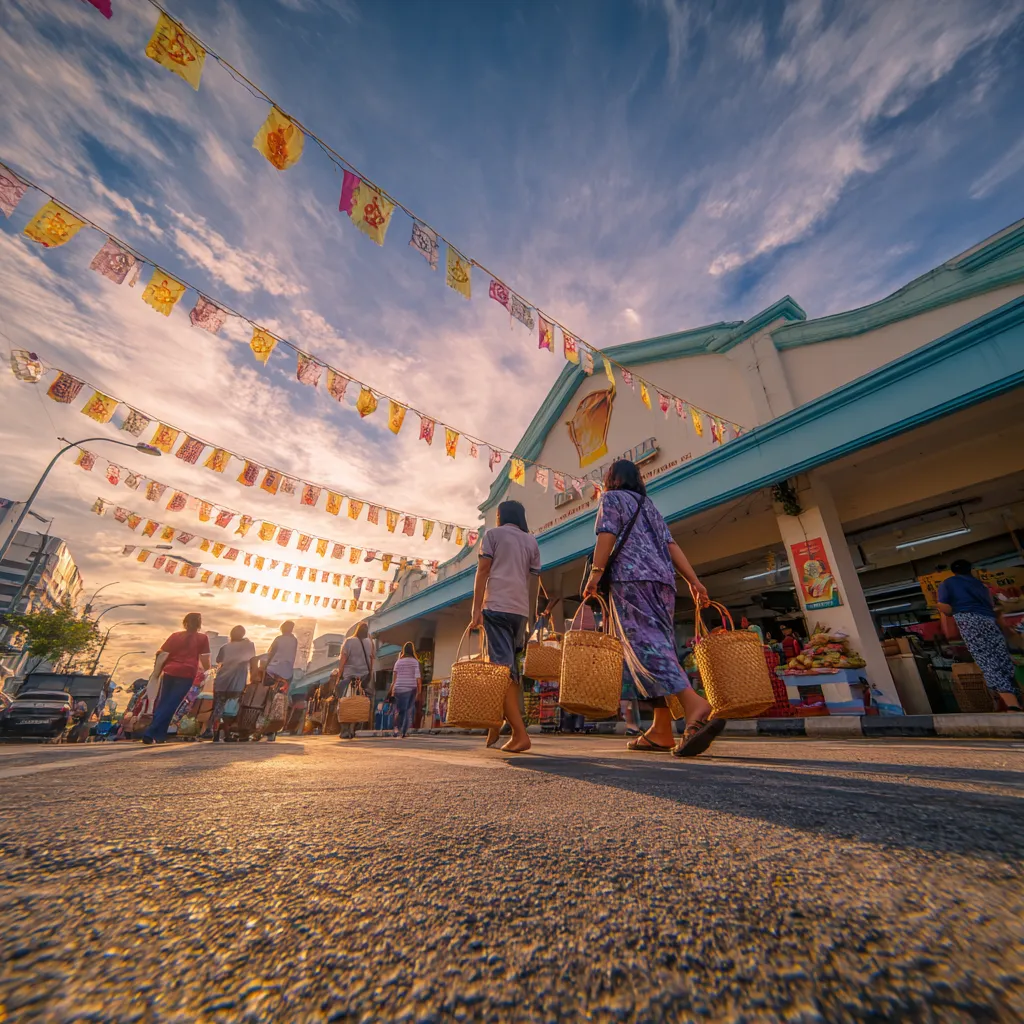
A neighbourhood guide to Geylang Serai Market’s best Malay and Indian Muslim classics — what to order, when to go, and how to makan like a local in Singapore’s east.
Geylang Serai is where morning markets meet spirited supper hawker culture — every plate tells a local story.
Point, share, and dig in — that’s the best way to experience Malay and Indian Muslim stalls here.
Geylang Serai Market sits in the heart of Singapore’s Malay-Muslim community and is one of the best places in the city to sample authentic Malay and Indian Muslim hawker fare without the tourist frills. The market, kopitiams and adjacent shophouses combine a wet market, fresh produce stalls and long-standing food vendors — a proper heartland makan destination.
Beyond everyday breakfasts and lunch crowds, Geylang Serai becomes a focal point during Ramadan with its famed bazaar: temporary stalls selling kuih, satay, grilled seafood and festive treats late into the evening. For visitors and locals alike, it’s a place to discover dishes that shaped the island’s multi-ethnic culinary identity.
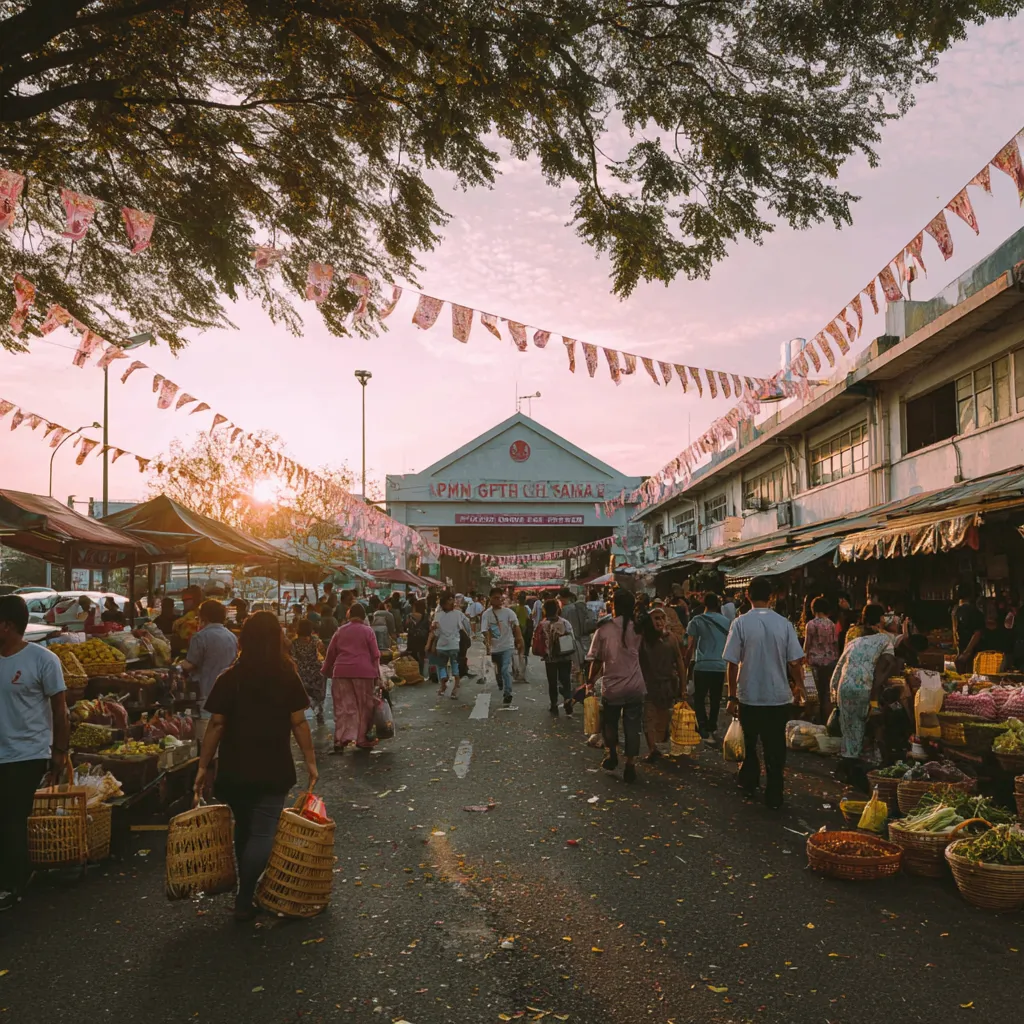
Start at the main market hall where the wet market and cooked-food centre sit side by side. You’ll find fresh spice stalls, kuih and kuih-muih counters, and long rows of cooked-food stalls serving everything from nasi padang to mee goreng mamak. The layout makes it easy to mix and match dishes: pick a plate of rice and add a couple of small sides, or order a single hawker dish and share.
Useful landmarks: use the market’s food court as your anchor point, then wander the surrounding shophouses for specialty vendors (murtabak, biryani, and late-night satay). If you’re visiting the Ramadan bazaar, plan for more crowds and a wider range of pop-up stalls along the adjacent streets.

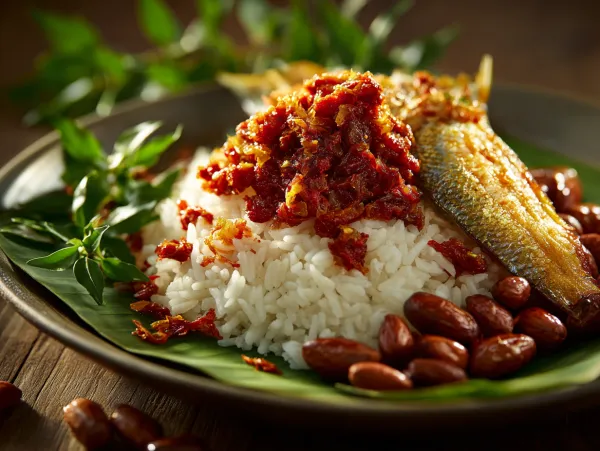
Geylang Serai is where you can taste Malay classics and Indian Muslim favourites side by side. Order nasi lemak with sambal and ikan bilis for a comforting breakfast, or a plate of nasi padang with rendang and sayur lodeh for a proper lunch. Indian Muslim dishes such as biryani, mee goreng mamak and murtabak are equally ubiquitous and satisfying.
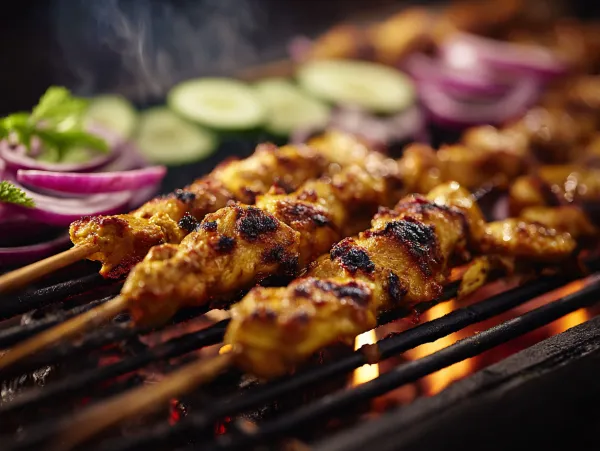
Look out for small-plate items that show local technique: gula melaka desserts and kuih for sweets, otah and grilled fish for smoky notes, and of course satay skewers grilled over charcoal — eaten with peanut sauce, ketupat and cucumber.

Ordering is casual but efficient: point at dishes if you don’t speak Malay, or say a simple ‘one plate’ and indicate the dishes you want. Many nasi padang stalls operate on the ‘hidang’ or ‘point-and-choose’ system, where you pick several small items for a single plate of rice; the vendor will tally up the bill afterwards.
Sharing is part of the makan experience — order a few dishes to pass around. Carry small notes for exact cash (some older stalls are cash-only), though many hawkers now accept PayNow and e-wallets. Be ready to stand at common tables during busy hours and remember to clear your table when you leave.

Best times: weekday lunch (11:30–13:30) for a real hawker feel without the weekend crowd; Ramadan evenings are lively but busy. For an early start, the wet market and kuih stalls open from dawn; for supper vibes, find late-night stalls around the market and nearby shophouses.
Getting there: Geylang Serai is accessible from Eunos and Paya Lebar MRT (short bus or a 15–20 minute walk). If you’re planning a food walk, combine Geylang Serai with Katong for laksa (east coast flavours) or head to Tekka Centre in Little India to compare Indian Muslim and North Indian snacks.